Home Vehicles on sale Cars for hire Car Events Car Articles About us Contact us

Articles about cars

We spread information about cars just like a virus and make you the best Carona (car owner).

Scroll down for more!

We educate and make you more car literate, learn and become more confident when buying a car from AWAG. tell me who else does this?
Article 1

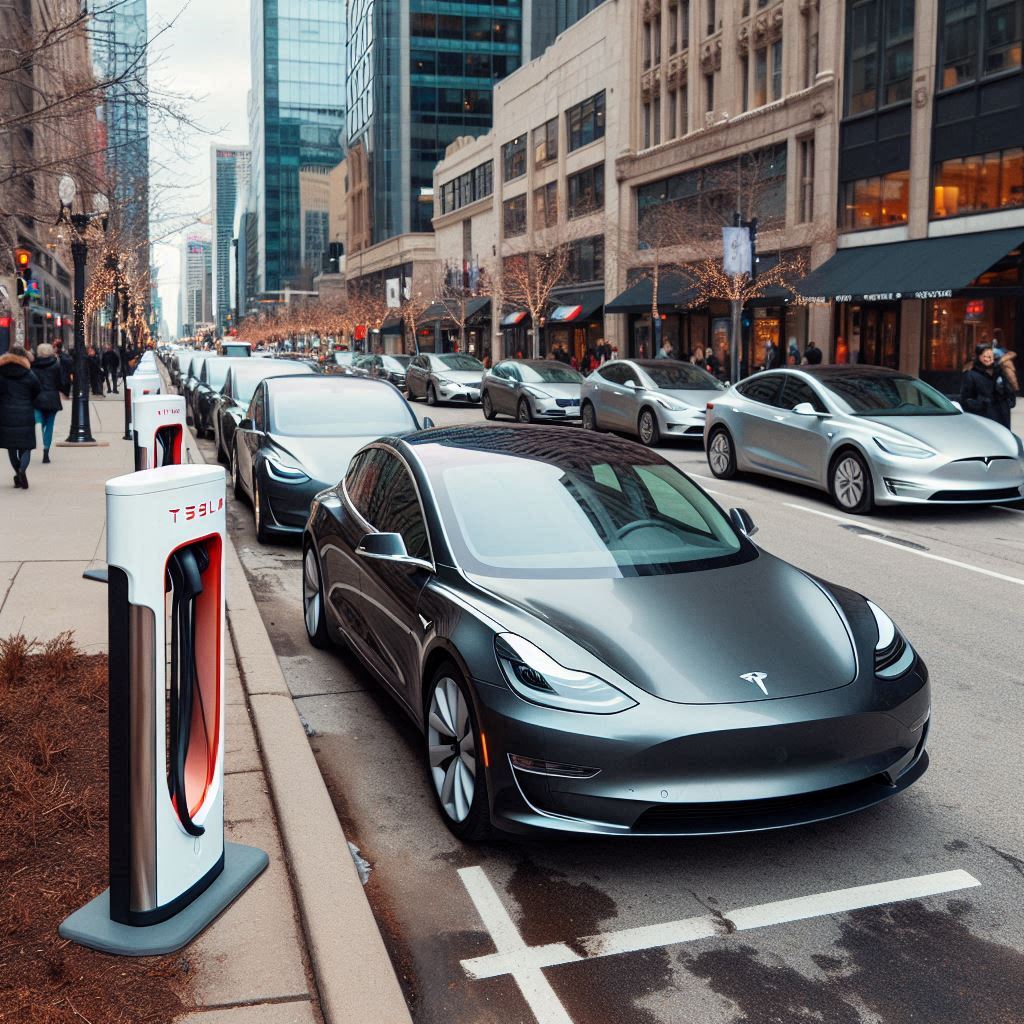
The Future of Electric Cars

Electric vehicles (EVs) are rapidly becoming a mainstay in the automotive market. This article explores the latest advancements in EV technology, market trends, and the impact on the environment.

Advancements in Technology: Modern electric cars are equipped with advanced battery technology that offers longer ranges and faster charging times. Companies like Tesla, Nissan, and Chevrolet are leading the way with innovations in battery efficiency and energy management systems.

Market Trends: The global EV market is experiencing exponential growth. Governments around the world are offering incentives to encourage the adoption of electric vehicles. This has led to a surge in the availability of EV models, ranging from compact cars to luxury SUVs.

Environmental Impact: EVs have a significantly lower carbon footprint compared to traditional internal combustion engine vehicles. By reducing emissions, EVs contribute to cleaner air and a reduction in greenhouse gases, which is essential in the fight against climate change.

Future Outlook: As technology continues to evolve, the future of electric cars looks promising. Autonomous driving features, enhanced connectivity, and further improvements in battery technology are set to revolutionize the automotive industry. With continued investment and innovation, EVs are poised to become the dominant force in the market.
Article 2

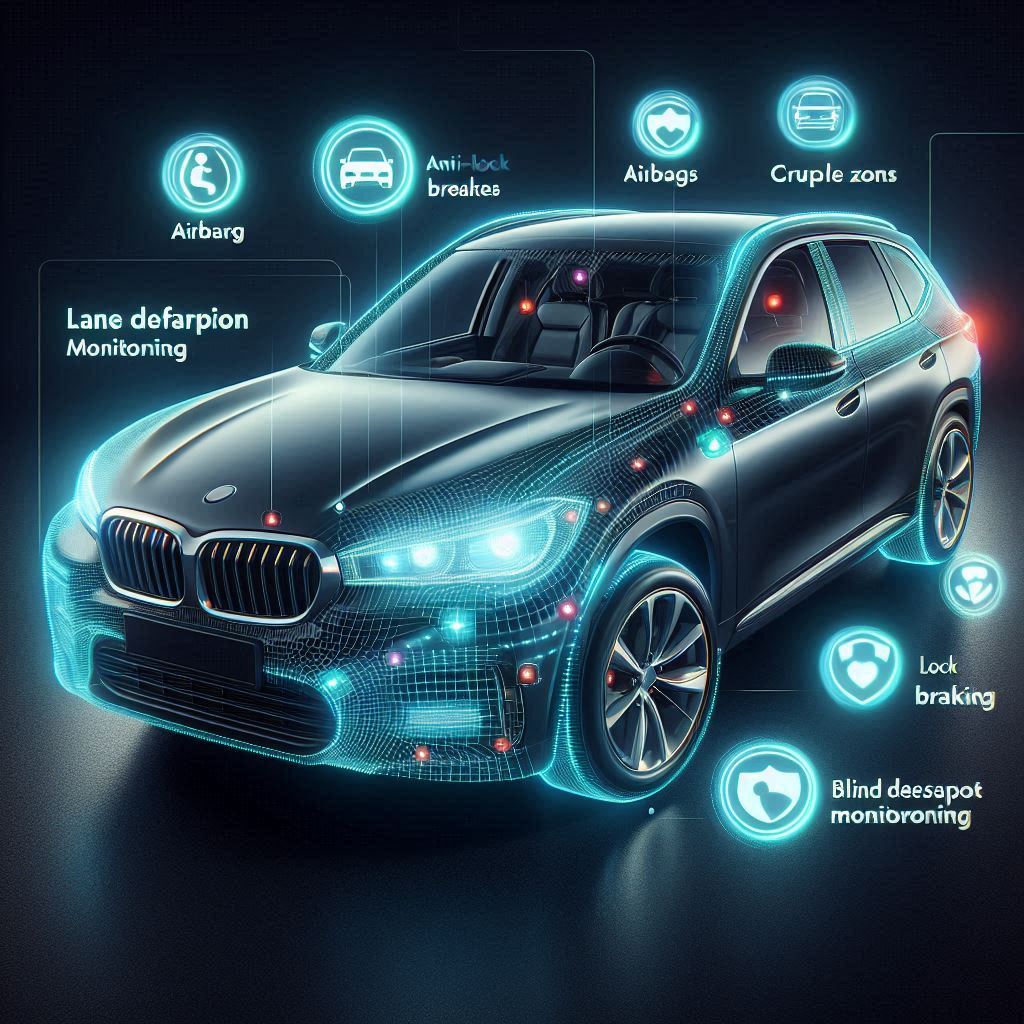
Top 10 Car Safety Features of 2024

Safety is paramount in modern car design. Discover the top 10 safety features that are revolutionizing the way we drive and protecting passengers like never before.

1. Automatic Emergency Braking (AEB): AEB systems can detect an impending collision and automatically apply the brakes to prevent or mitigate an accident. This feature has proven to be highly effective in reducing rear-end collisions.

2. Lane Keeping Assist (LKA): LKA helps drivers stay within their lane by gently steering the car back if it begins to drift. This feature is particularly useful on highways and long-distance drives.

3. Blind Spot Detection: Blind spot detection systems use sensors to monitor the areas around the vehicle that are not visible to the driver. Alerts are provided if there is a vehicle in the blind spot, enhancing overall safety during lane changes.

4. Adaptive Cruise Control (ACC): ACC maintains a set speed and distance from the car ahead, automatically adjusting speed to keep a safe following distance. This feature reduces the stress of highway driving and improves overall safety.

5. Rearview Cameras: Rearview cameras provide a clear view of the area behind the vehicle, making parking and reversing safer and easier. Many modern cars come equipped with high-definition cameras and additional parking sensors.

6. Traffic Sign Recognition: This technology uses cameras to detect and interpret road signs, such as speed limits and stop signs, providing visual or audible alerts to the driver. It helps ensure compliance with traffic laws and enhances road safety.

7. Driver Attention Monitoring: Driver attention monitoring systems use cameras and sensors to detect signs of driver fatigue or distraction. Alerts are provided to prompt the driver to take a break or refocus on the road.

8. Pedestrian Detection: Pedestrian detection systems use advanced sensors to identify pedestrians in or near the vehicle's path. The system can warn the driver or apply the brakes to avoid a collision, improving safety for both drivers and pedestrians.

9. Electronic Stability Control (ESC): ESC helps drivers maintain control of their vehicle during extreme steering maneuvers by automatically applying brakes to individual wheels. This feature is crucial in preventing skids and rollovers.

10. Night Vision: Night vision systems use infrared cameras to detect objects and pedestrians beyond the reach of the car's headlights. This technology enhances visibility in low-light conditions, significantly improving nighttime driving safety.